30
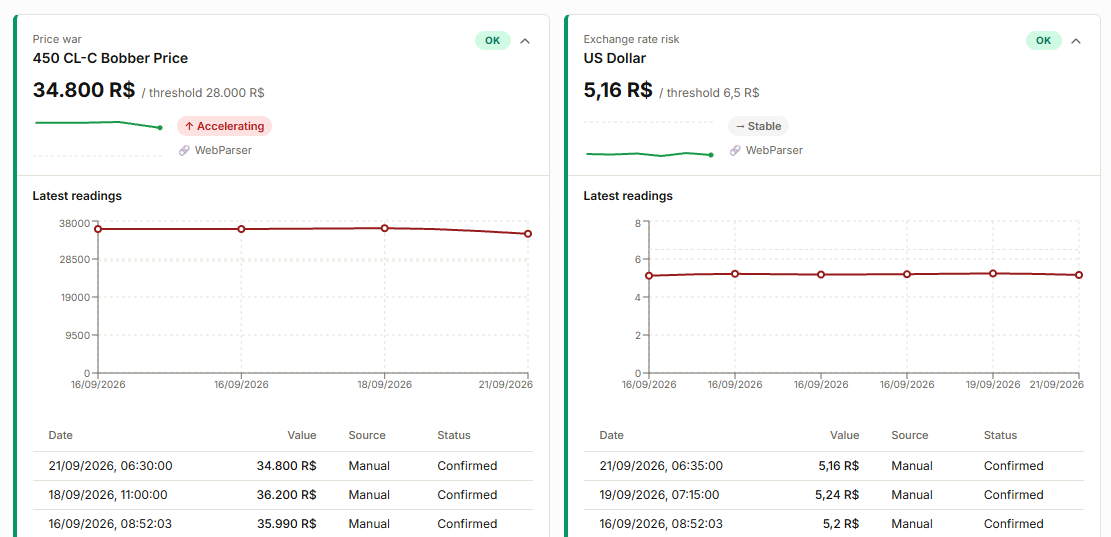
SepDid you know that Link Estratégia has its own methodology for monitoring risks and threats to your business? It is called RiskThreshold and is one of the monitoring modules available on Hub Link Estratégia, our market and competitive intelligence platform. Using RiskThreshold, decision-makers can monitor what we call Critical Failure Factors (CFFs) for the business.
31
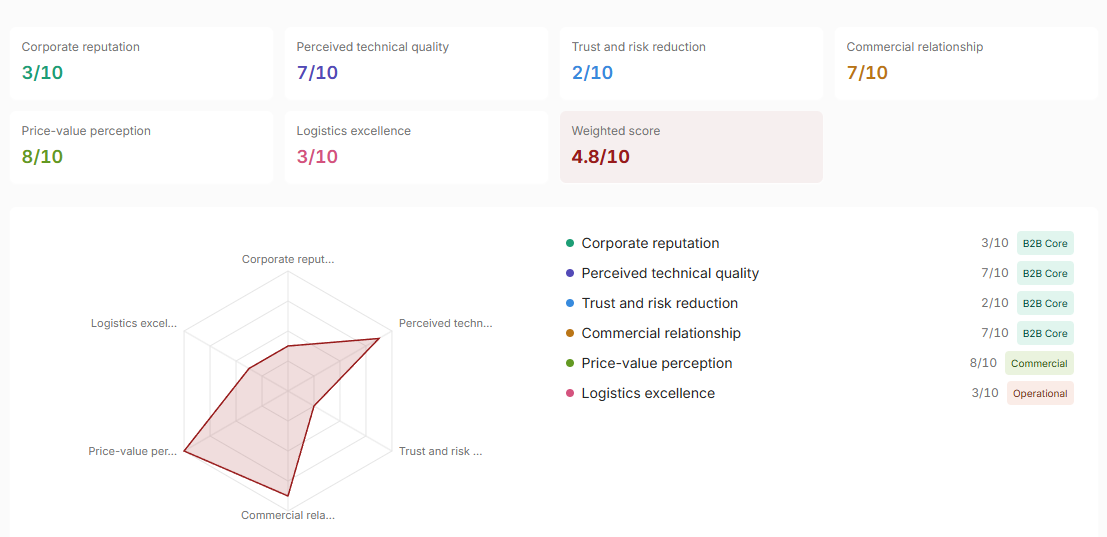
AugBrand perception in B2B markets does not serve to create superficial emotional appeal, but rather to fulfill a much more pragmatic role: reduce perceived risk in purchasing decisions, sustain long-term commercial relationships, and differentiate the value proposition where price and delivery truly matter.
To structure this diagnosis with methodological rigor, we developed BrandIntel, the brand equity assessment module of Hub Link Estratégia. This module also can be used to assess B2C and B2B2C brands.
31
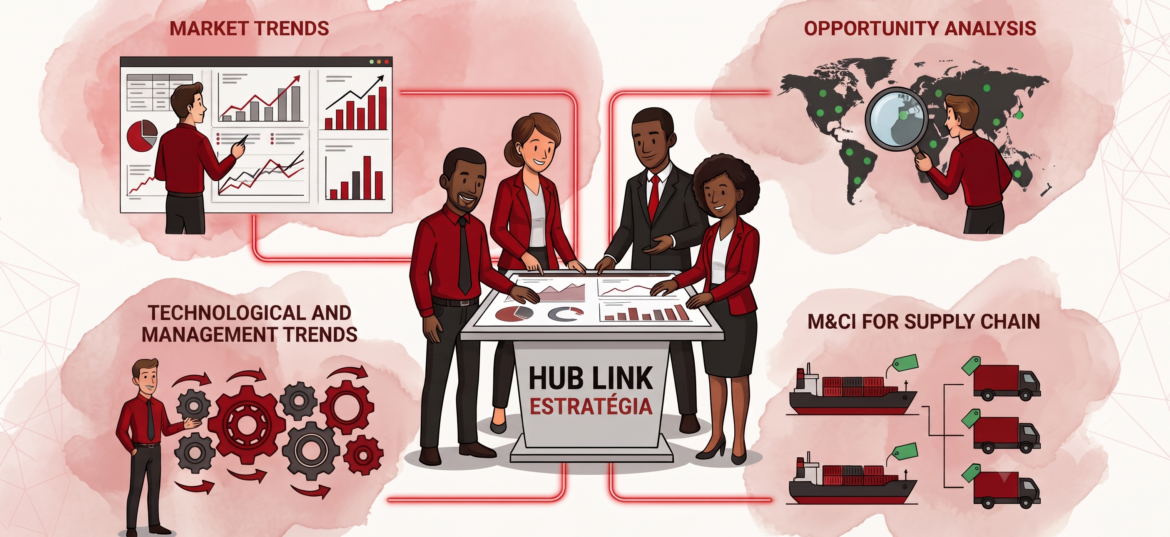
JulSome people think market and competitive intelligence is limited to directly monitoring competitors: what rivals are selling, how much they are charging, and how they are positioning themselves. While this assessment of competitors’ activities is essential, limiting market and competitive intelligence (M&CI) to that alone means overlooking much of its value.
30
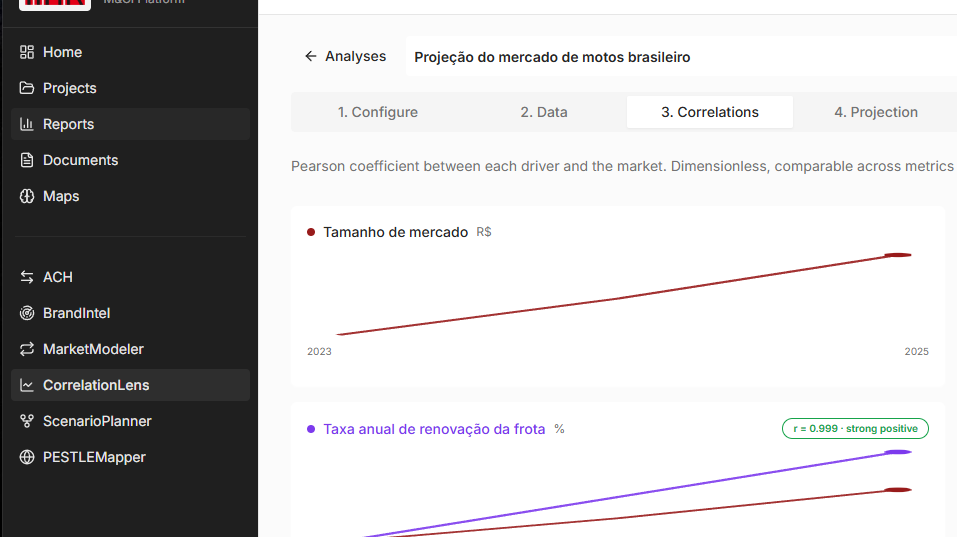
JunEvery manager would like to know how large their market will be three or five years from now. At Link Estratégia, we have been forecasting market size since 2014. Drawing on that experience, we developed two tools, MarketModeler and CorrelationLens, to support these studies. These tools are now available to clients through Hub Link Estratégia.
13
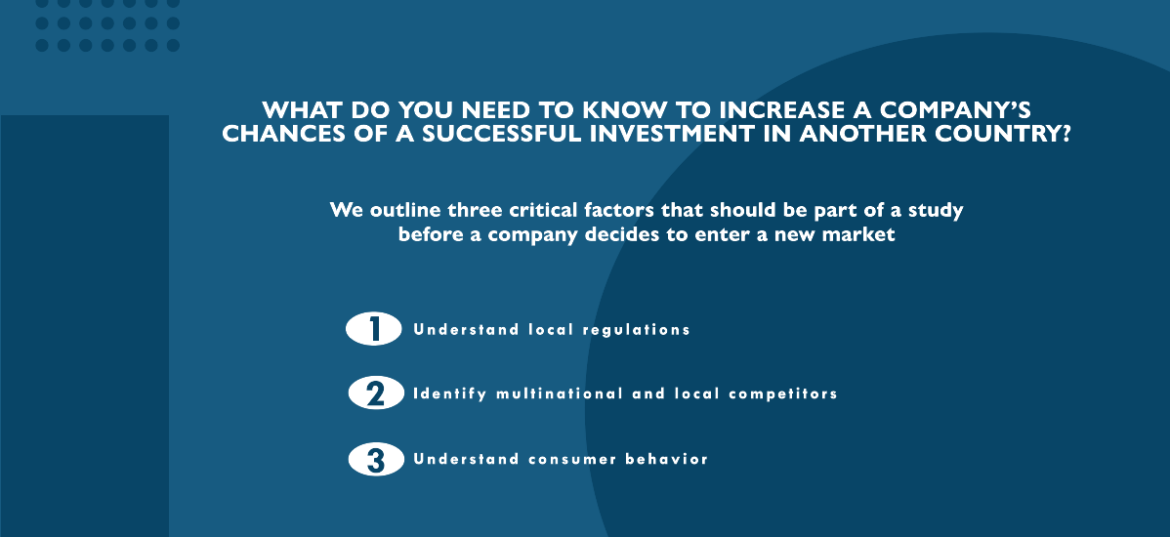
MayBefore making any move, companies need to plan based on reliable information tailored to their specific business needs. We outline three critical factors that should be included in an assessment before a company decides to enter a new market.
09
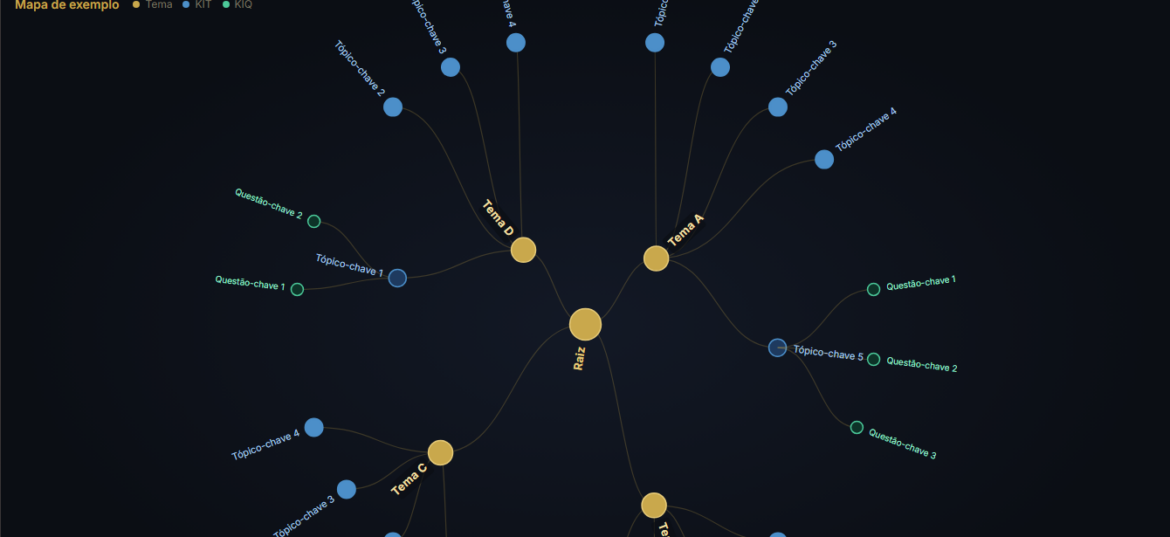
AprEarly this year, we released Hub Link Estratégia. The Hub is an easy-to-use online platform, exclusive to Link’s clients. It consolidates intelligence maps, reports and project management tools in a secure data environment.
