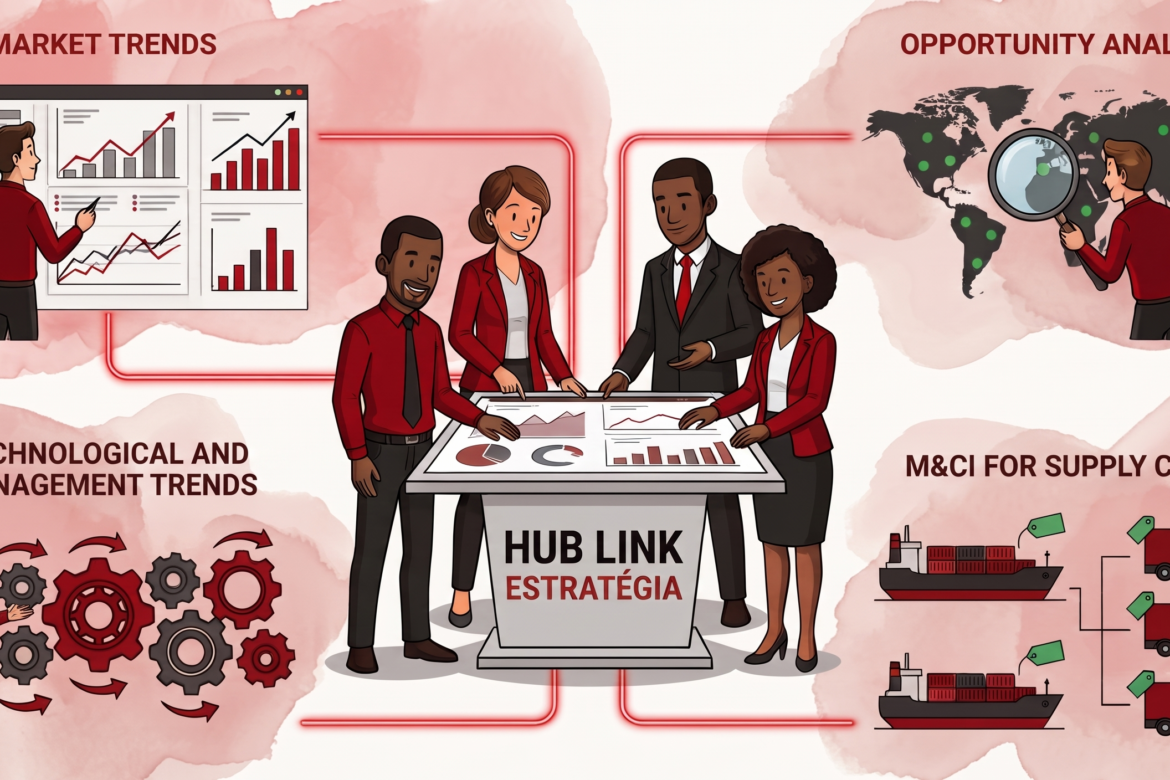
When analyzing market trends, you need to go far beyond the basics. Significant market shifts create ripple effects across multiple industries.
To get ahead of opportunities, you must look at the entire value chain: supply, sales, after-sales, and logistics. Even simple trends, such as the shift from liquid to bar shampoos, impact various sectors.
Plastic packaging manufacturers, for example, may face declining demand if this trend expands beyond its current niche into the mass market. On the other hand, manufacturers of molding equipment for the cosmetics industry may benefit.
To better explain how the supply chain works, consider the automotive industry. To illustrate how the supply chain functions, let’s look at a Japanese automotive client. They manufacture a specific component that integrates electronic parts in vehicles. These parts are then incorporated by the automaker into the final product.
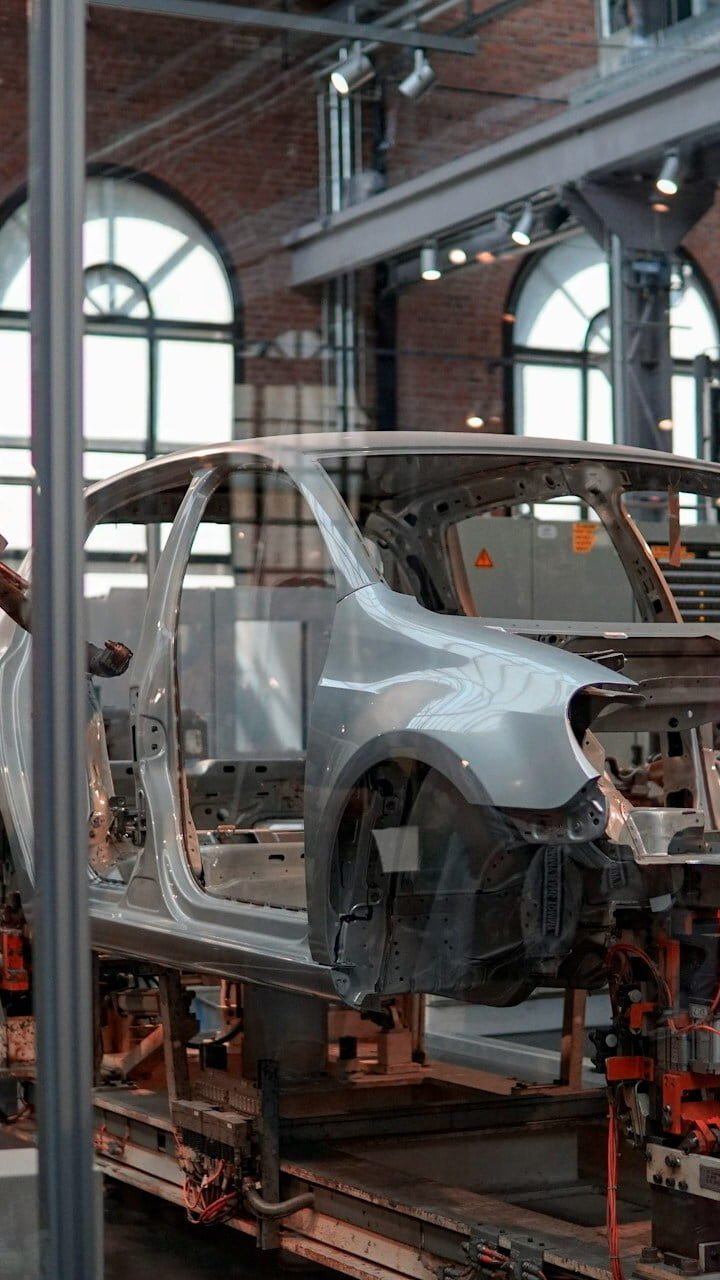
How the supply chain works
OEM – Original Equipment Manufacturer. The automaker. The company that produces the final product delivered to the consumer. It relies on suppliers that provide ready-to-install components.
Tier 1 – First-level supplier to the OEM. These companies sell directly to the automaker. A Tier 1 example is an infotainment provider. These electronics companies depend on specialized suppliers for circuit boards, screens, and interface hardware.
Tier 2 – The supplier to the Tier 1. In this case, a company that manufactures the circuit boards used in the infotainment system.
Tier 3 – The supplier to the supplier’s supplier. For example, a components company producing processors, capacitors, and integrated circuits that are assembled onto the boards.
Raw material supplier – Depending on the complexity of the chain, there may be Tier 4 or Tier 5 suppliers. In most cases, however, raw material suppliers are considered the end of the supply chain. These companies provide the base materials that are transformed into Tier 3 products.
One of the objectives of the project conducted by Link for this client was to size the market for their product, considering the growing electrification of the automotive fleet.
We used multiple sources to map opportunities in this market. We spoke with key stakeholders at automakers, Tier 1 manufacturers, and automotive industry experts.
We leveraged specialized platforms to track imports and exports across the supply chain, financial databases covering leading players in the segment, industry reports, and a wide range of secondary sources.
Each data point helped assemble a broader picture, pointing to strategic directions and alternatives for our client. These findings allowed decision-makers to refine their strategies and enhance their probability of success in entering the electric vehicle market.
The data indicated a very positive outlook: more electronics in electric vehicle production translates into greater demand for the type of product they manufacture.
Trends reshape demand
However, as the electric fleet becomes more common, many elements of the automotive ecosystem will change. And not only across traditional Tier 1, 2, and 3 suppliers. Changes will also affect after-sales, logistics, raw material consumption, and infrastructure.
For example, how long will oil change shops continue to exist? And gas stations? Demand for replacement brake components (discs, pads) is also expected to decline, since electric vehicles use regenerative braking and therefore experience less wear.
On the other hand, manufacturers of electromagnetic interference (EMI) shielding materials are likely to see increased demand, as electric motors and batteries require these components.
Upstream players producing plastics, foams, and films for these applications can also expect demand growth, extending to their raw material suppliers.
Of course, the electrification of the fleet is a gradual trend that will take years to fully develop at a global level. This gives companies time to prepare and plan as demand shifts.
The key point is this: supply chain analysis must go beyond the core industry and its direct suppliers. The full value chain, both upstream and downstream of production, is exposed to shifts in market trends.
experts in
acquiring
elusive
data
Ask the Hard Questions, and We’ll Uncover the Answers in the Right Way