
09
MarWhen analyzing market trends, it is necessary to go far beyond the basics. To anticipate opportunities, companies must look at the entire supply chain, including sales, after-sales, and logistics. To better illustrate how a supply chain works, let’s use the example of one of our clients: a Japanese company in the automotive industry. The goal here is to show that supply chain thinking must go beyond the company and its direct suppliers. Everything that happens before and after the production process is part of the chain and can be affected by a market trend.
30
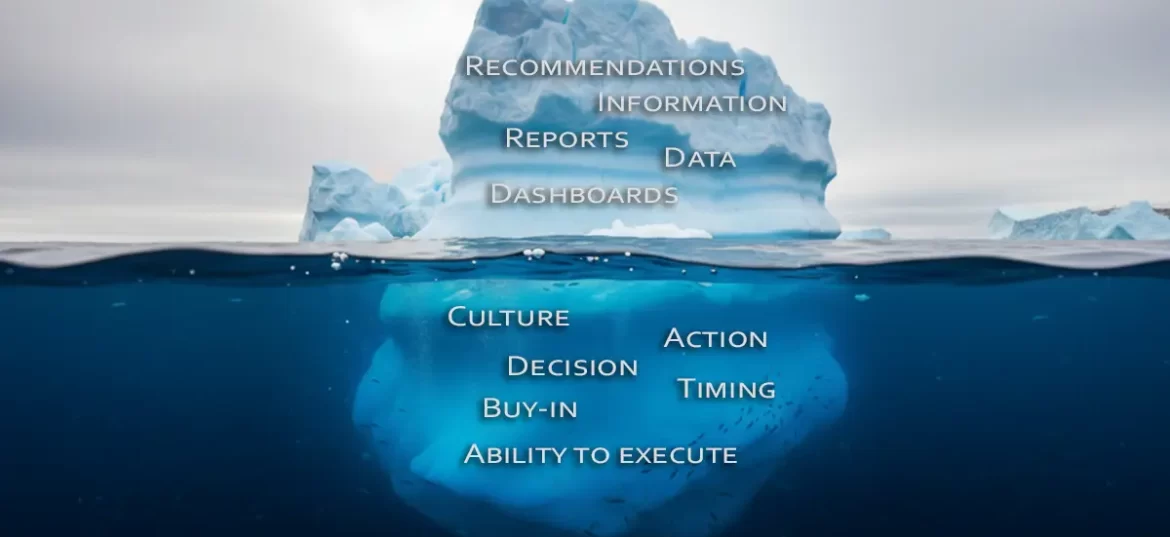
DecMarket and Competitive Intelligence is one of the most powerful tools for reducing uncertainty and driving strategic decisions; however, to be effective, it is essential to overcome resistance, calibrate execution, and gain the trust of decision-makers.

27
NovHave you ever heard of an analytical technique called Indicator Monitoring? This Market and Competitive Intelligence (M&CI) method is used alongside Scenario Analysis to identify which projected scenarios are most likely to materialize
31
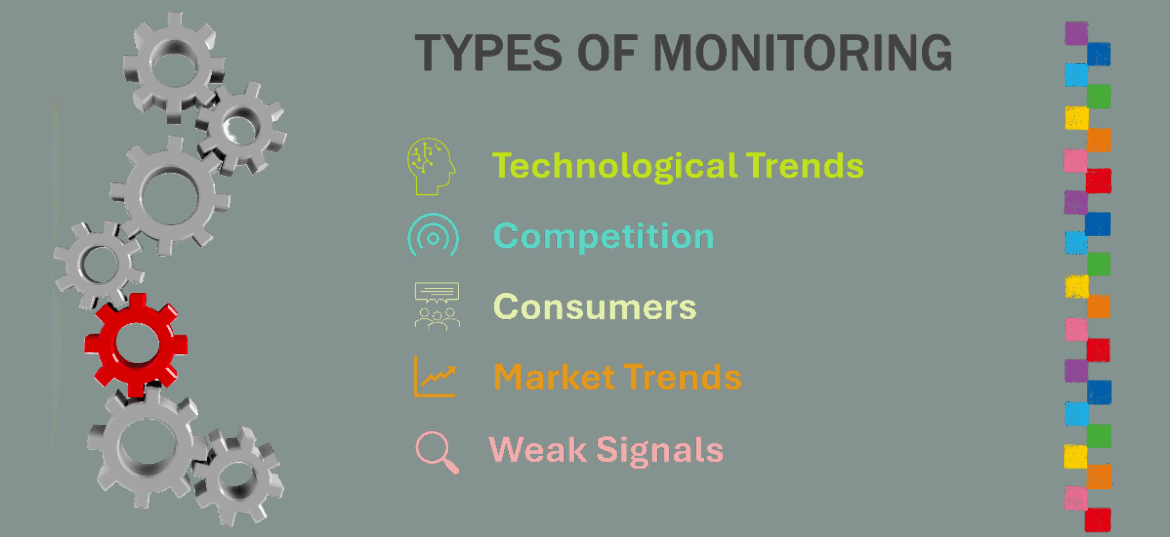
OctMany business leaders make the mistake of seeing markets as fixed scenarios. They only notice change when it hits their doorstep, disrupting the organization. That’s why forward-thinking companies invest in trend monitoring. Explore the five most common types of monitoring using market and competitive intelligence.

12
SepIf your company is taking a reactive position in the market, falling behind the competition, or struggling to keep up with changes in the competitive landscape, it’s time to consider Market and Competitive Intelligence as a potential solution.

30
AprOne of the exercises we do before any project here at Link is to understand the information needs of each client. Conceptually, it seems like something simple to define, especially if there’s a clear problem to solve using Market and Competitive Intelligence (M&CI), such as launching a product or entering a new market.